
When Is the Best Time to Strip and Refinish Commercial Floors?
A practical guide to timing, floor type, and the scrub and recoat decision for facility managers in the Philadelphia suburbs
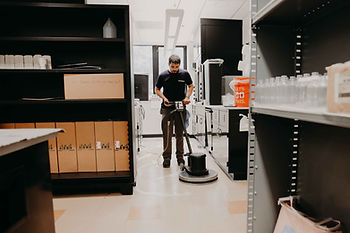
For most commercial buildings, spring and summer are the easiest times to strip and refinish floors. Winter salt season is over, traffic patterns are usually lighter, and it's easier to schedule the work around weekends, holidays, or a planned closure.
But the calendar is only part of the answer. The right timing depends on your floor type, how worn the finish is, humidity and airflow in the building, drying and cure time, and how much downtime your operation can absorb. And in a lot of cases, a full strip and refinish isn't even the right call. A scrub and recoat may do the job with far less disruption.
This guide walks through how to decide what your floor actually needs, when to schedule the work, and how to plan around your building so the floor gets done right and your operation keeps running.
Key Takeaways
Spring and summer are often the easiest scheduling windows because winter salt and grit are behind you and traffic tends to be lighter.
Strip and refinish is a full reset. Scrub and recoat is interim maintenance. They are not interchangeable.
Floor type matters. This process is most commonly associated with VCT and similar coated resilient floors, not every commercial floor.
Drying time and cure time drive the schedule more than most people expect.
After-hours, weekend, and zone-based scheduling usually protect your operation better than trying to do the whole building at once.
A maintenance plan after the work is what protects the investment.
What Strip and Refinish Actually Means
A strip and refinish is a full reset of the floor finish. Old, worn finish is chemically stripped off, the floor is neutralized and rinsed, and fresh coats of finish are applied from scratch. Some buyers still call this process "strip and wax commercial floors," though modern finishes aren't actually wax.
This is different from daily or weekly cleaning, and it's different from a scrub and recoat. A strip and refinish addresses the finish layer itself, not just the soil sitting on top of it. When the finish has yellowed, hazed, broken down in traffic lanes, or trapped too much embedded dirt to respond to normal maintenance, a full strip is how you get back to a clean, uniform surface.
This kind of restorative floor care is most commonly used on VCT (vinyl composition tile) and similar coated resilient flooring systems. It's not the right process for every commercial floor. More on that in a minute.
When Spring and Summer Are Often the Best Time
For many facilities across Montgomery, Chester, Delaware, and Bucks Counties, spring and summer are the most practical windows for commercial floor refinishing. A few reasons why:
Winter salt season is over. Salt, grit, and ice melt products get tracked onto floors all winter long. They chew up finish at entryways and along main traffic lanes. Waiting until after the winter thaw means you're refinishing a floor that isn't about to get hammered again the next day.
Traffic patterns are usually lighter. Schools slow down or close. Office buildings see summer vacation schedules. Medical and professional offices often have lighter patient or client volume. Warehouses and facilities sometimes plan shutdowns around holidays. All of that makes it easier to carve out the hours the work actually needs.
Longer daylight and warmer weather help with scheduling. Weekend and evening work becomes easier to coordinate. Windows can be opened if airflow helps drying. Your team isn't trying to work around freezing temperatures or early sunsets.
Spring and summer are often the easiest scheduling windows, not because the season fixes the floor, but because the building usually gives you more room to do the work right.
What Factors Matter More Than the Calendar Alone
Season is a starting point, not a decision. These factors matter more:
Foot traffic. A floor with constant foot traffic, rolling carts, and wheeled equipment wears finish much faster than a floor in a low-traffic administrative area. High-traffic buildings may need more frequent attention no matter what month it is.
Floor type. VCT responds to strip and refinish. Some commercial hard floors should not be stripped at all. We'll cover this below.
Humidity and airflow. Floor finish needs to dry properly between coats and cure properly afterward. High humidity slows drying. Poor airflow traps moisture. A finish that dries too slowly can haze, stay tacky, or fail to bond well.
Downtime tolerance. How many hours can the building afford to keep people off the floor? If the answer is "almost none," the job needs a different schedule than a building that can shut down a zone for a weekend.
Condition of the existing finish. A finish that's worn but still intact is a different situation than a finish that's broken down, embedded with soil, or showing through to the tile.
That is why a walkthrough matters before the work gets scheduled. The floor may need a full strip, an interim recoat, or a different floor maintenance schedule entirely.
Strip and Refinish vs Scrub and Recoat
This is the decision most buyers miss. A full strip and refinish is the right call when the finish can't be restored any other way. But in many buildings, a scrub and recoat is the smarter interim step.
Here's how they compare:
Factor | Scrub and Recoat | Strip and Refinish |
What it does | Removes top layer of worn finish and soil, then applies 1 to 2 fresh coats | Removes all finish down to the tile, neutralizes, rinses, then applies multiple fresh coats |
When it's right | Finish is worn but still salvageable. Traffic lanes are dull but not failing. | Finish has broken down, hazed, yellowed, or trapped embedded soil. Appearance and protection can't be recovered. |
Downtime | Shorter. Often doable overnight or in a single shift. | Longer. Usually a weekend or a planned closure. |
Disruption | Lower. Easier to do in zones. | Higher. Requires full area clearance and longer drying windows. |
Frequency | On an interim schedule based on traffic and finish wear | Less frequent. Timed to when the floor actually needs it, not on a rigid annual schedule. |
Cost profile | Lower per visit | Higher per visit, but protects the tile and extends the life of the floor when done at the right time |
A good floor care plan usually mixes both. Scrub and recoat keeps the finish healthy between full resets. Strip and refinish is reserved for when the floor really needs it. Skipping the interim work almost always means stripping sooner than you should have to.
Signs It Is Time for a Full Strip and Refinish
Here are the signals we look for during a walkthrough:
✔ Visible dull traffic lanes that don't respond to routine sweeping and mopping or buffing
✔ Yellowing, hazing, or uneven shine across the floor
✔ Patchy appearance where some areas look coated and others look bare
✔ Embedded dirt or contamination trapped in the finish
✔ Scuffs, black marks, and scratches that won't come out with normal maintenance
✔ Entryway damage from winter salt and ice melt products
✔ Finish that feels rough, gritty, or uneven underfoot
✔ Multiple recoats that are no longer producing a clean, uniform result
One or two of these signs might point to a scrub and recoat. Several together usually mean the finish has broken down too far, and a full strip is the right move.
A Quick Note on Floor Type
Not every commercial floor should be stripped and refinished. This matters.
The full strip-and-refinish process is most commonly used on VCT (vinyl composition tile) and similar coated resilient floors. These floors rely on floor finish as their wear layer, and the process of stripping and reapplying that finish is how they get maintained.
Other floor types need a different approach:
No-wax flooring, LVT, and sheet vinyl often aren't meant to be stripped and waxed at all. They usually call for their own cleaning and maintenance process, and the wrong products can damage the surface.
Linoleum has specific manufacturer guidance and often uses sealer-based care rather than traditional finish.
Tile and grout floors need their own process. If your concern is dullness or grime between tiles, a tile and grout cleaning service is usually the right call.
Polished concrete, hardwood, and specialty floors require completely different care.
Before anyone strips a floor in your building, confirm what the floor actually is and what the manufacturer recommends. Applying the wrong process to the wrong floor causes damage that's expensive to undo.
How to Plan the Work Around Operations
Most commercial strip and refinish jobs fall apart on scheduling, not on technique. Here's how to plan around your building:
Start with a walkthrough. Identify floor type, square footage, condition, problem areas, and which zones can be isolated.
Map the traffic. When is the building empty? When is traffic lightest? Are there holiday closures, slow seasons, or weekend gaps to work with?
Decide on a single event or a zoned approach. Large facilities usually do better with a zone-based approach. Break the building into sections that can be closed off while the rest of the facility keeps running.
Confirm ventilation and temperature. The space needs appropriate airflow and reasonable temperatures for finish to dry and cure. Cold, damp, or sealed-up conditions slow everything down.
Move furniture and equipment in advance. This usually happens the night before or the day of. Anything on the floor has to come off.
Block off the area clearly. Signage, cones, and closed entrances help keep people off wet finish.
Build in realistic drying and cure time. Don't promise foot traffic or heavy equipment access too soon. Finish that gets walked on too early can scuff, print, or fail.
Reset the maintenance schedule after the job is done. A freshly refinished floor needs a proper maintenance plan to protect the work.
A good rule of thumb: the cleaning company should be asking you about your schedule, not handing you a fixed one. The job has to fit the building.
What Happens During the Process
Here's what a typical strip and refinish looks like on a VCT floor. The exact steps vary based on the floor, the finish, and the manufacturer's instructions.
Prep. Furniture, mats, and movable equipment are cleared. The area is blocked off.
Sweep and pre-clean. Loose soil is removed so the stripper can reach the finish.
Apply stripper. A floor stripping solution is spread across the floor and given dwell time to break down the old finish.
Agitate. A floor machine or auto scrubber works the stripper across the surface to lift the finish.
Pick up the slurry. The dissolved finish and stripper are vacuumed or squeegeed off the floor.
Neutralize or rinse. The floor is rinsed, often with a neutral-pH cleaner, so no stripper residue is left behind. Residue causes adhesion problems with the new finish.
Full drying between stages. The floor must be fully dry before finish goes down. Rushing this step is one of the most common reasons finish fails.
Apply thin coats of finish. Usually three to five coats, depending on the product and the floor. Thin, even coats dry better and bond better than thick ones.
Drying and cure between coats. Each coat needs time to dry before the next one goes on.
Final cure. Even after the last coat is dry to the touch, the finish continues to cure. Heavy traffic, rolling equipment, and water exposure should be limited during this window.
Humidity, airflow, and temperature affect every step. A crew that understands the product and the conditions will pace the job accordingly instead of forcing a fixed timeline.
How to Protect the Floor After Refinishing
A fresh finish is an investment. A good maintenance plan is what protects it.
Keep grit out. Entryway matting catches sand, salt, and grit before it reaches the finish. Replace or clean mats regularly. This one step extends the life of a finish more than almost anything else.
Set a routine cleaning schedule. Daily or frequent routine cleaning with the right products keeps soil from building up and grinding into the finish.
Use the right cleaner. Neutral-pH cleaners are generally recommended for finished floors. Harsh chemicals can strip finish prematurely.
Plan for scrub and recoat on a realistic schedule. Depending on traffic, an interim scrub and recoat can keep the finish healthy and delay the need for another full strip.
Watch the traffic lanes. Dulling usually shows up in the same lanes first. When you start seeing it, bring it up before the finish breaks down enough to require another strip.
Schedule work during lower-traffic periods. After-hours floor care and weekend evening cleaning services are usually when this work should happen. Trying to maintain a floor mid-day rarely works.
Taking care of the floor between strips is how you avoid stripping more often than you need to.
Frequently Asked Questions
How often should commercial floors be stripped and refinished?
There isn't one answer. The right frequency depends on traffic, maintenance, and floor condition. A building with a good scrub and recoat schedule and solid entryway matting usually goes longer between full strips. Rigid annual stripping isn't always needed, and sometimes it's too aggressive. A walkthrough is the honest way to know what your floor actually needs.
Is spring really the best time for commercial floor refinishing?
Spring and summer are often the easiest time to schedule the work because winter salt season is over and traffic tends to be lighter. But timing really depends on your building. Some facilities do this work during summer shutdowns, others over long holiday weekends, and others in zones throughout the year. The season matters less than the combination of traffic, humidity, and the downtime your operation can handle.
What is the difference between scrub and recoat and strip and refinish?
A scrub and recoat removes the top layer of worn finish and soil, then applies one or two fresh coats. It's interim maintenance for a finish that's worn but still salvageable. A strip and refinish removes all existing finish down to the tile, neutralizes, rinses, and rebuilds the finish from scratch. It's a full reset for a floor the scrub and recoat process can no longer rescue.
How long does commercial floor finish take to dry?
Each coat of finish often dries to the touch within an hour under good conditions, but full drying between coats usually takes longer. High humidity, poor airflow, and cool temperatures slow everything down. And even after the last coat is dry, the finish can continue curing well after it feels dry to the touch. During that window, heavy traffic, rolling equipment, and water exposure should be limited.
Can floor refinishing be done without shutting down the whole building?
Yes, in most cases. A zone-based approach lets us close off one area at a time while the rest of the building keeps running. A zone-based approach can work well in offices, medical facilities, professional buildings, and multi-tenant properties across the Philadelphia suburbs. It takes more planning and coordination, but it's often the right way to protect your operation while still getting the floor done properly.
Plan Floor Care Around Your Building, Not a Calendar
If your floors are showing wear and you're trying to figure out whether it's time for a full strip and refinish, a scrub and recoat, or a better maintenance plan, we can help you sort it out. We're a family-owned, owner-operated cleaning company based in Audubon, PA, serving Montgomery, Chester, Delaware, and Bucks Counties. Our in-house team handles commercial floor care, and we build the schedule around your building.
Request a floor care walkthrough and we'll take a look at your floors, talk through your operation, and put together a plan that fits the facility.


Comments